Samsung Tizen Phones: Is a New Launch Still on the Cards?
Introduction
Searches for Samsung Tizen phones often raise questions that sound like the lead-up to a launch: which models are next, when will they arrive, and what might they offer? But as of October 2026, Samsung has announced no new Tizen smartphone, and there is no reliable public release schedule. For now, Samsung Tizen phones remain part of the company’s past rather than its announced product plans.
Tizen is not a rumour or an imaginary platform. Samsung did sell phones running the operating system, but that project belongs to an earlier phase of the company’s mobile strategy. Its last Tizen phones arrived years ago. Claims about upcoming Tizen models should be treated cautiously unless supported by an official statement or credible, verifiable evidence. No Samsung Tizen phones are currently confirmed for release.
The key question is whether Samsung has a reason to revive a phone platform whose app ecosystem and consumer momentum have faded. Based on the available evidence, it does not appear to have one—not for a conventional smartphone launch. That makes reports of new Samsung Tizen phones especially important to verify before treating them as news.
Samsung, Tizen and the market
Samsung developed Tizen in part to gain more control over the software powering its phones. Android offered a huge app catalogue and familiar services, but it also made Samsung dependent on Google’s platform. Tizen was a possible alternative that Samsung could shape more directly.
The project resulted in a small lineup, not a broad rival to the Galaxy range. The Samsung Z1 arrived in India in 2015, followed by the Z3, Z2 and Z4. These phones were aimed largely at price-conscious markets, where affordable hardware and a simple experience could matter more than flagship performance. Together, they formed the Tizen smartphone lineup, a limited range that never grew into a major global business.
The Z series was never designed to compete directly with Samsung’s premium Android phones. It offered basic smartphone functions, accessible hardware and a lightweight operating system. The phones let Samsung test the market, but Tizen never gained the scale to become a serious third force in mobile. Samsung Tizen phones therefore remained a small experiment beside the company’s expanding Galaxy range.
The main challenge was the app ecosystem. People expect messaging, banking, navigation and entertainment services to work on a new phone from day one. Without them, even capable hardware and a low price may not be enough to build lasting demand.
Key factors
First, Samsung has shown no official intent to launch another Tizen phone. The company has not announced a device or release window, so there are no confirmed phone release dates. Online speculation is not enough to establish a schedule, and no launch announcements have indicated that Samsung Tizen phones are returning.
Second, Tizen’s smartphone app ecosystem never matched Android or iOS, and Samsung eventually discontinued its phone-focused Tizen Store. A new handset would need more than a refreshed interface: it would require reliable access to popular services and a clear plan for updates and developer support. Those unresolved challenges would face any new Samsung Tizen phones.
Third, Samsung’s priorities have shifted. Its global phone business is built around Android-powered Galaxy devices, from entry-level models to premium flagships and foldables. Bringing back a separate phone operating system would divide engineering, marketing and support resources while asking customers to adopt a less familiar platform. This is why Samsung mobile launches today focus on Galaxy phones rather than a separate Tizen device family.
Tizen’s continued use in other products is not evidence of a phone comeback. Samsung has used the operating system in its television ecosystem, but its presence in one product category does not mean the smartphone business is being revived. The commercial and technical demands are different.
The name can also cause confusion. Samsung’s current Galaxy Z foldables run Android; the shared letter does not link them to the old Samsung Z Tizen series. This distinction matters when reading headlines or posts that mention Samsung Z without specifying the operating system.
The economics are another obstacle. A platform needs enough users to attract developers, while customers need useful apps before they will buy a device. Samsung could try to break this cycle with investment, partnerships and a focused market strategy, but it has not announced such a plan for a Tizen phone relaunch. Without that commitment, speculation about Samsung Tizen phones remains just that.
Possible launch scenarios
The most likely outcome is that Tizen continues without returning to phones. It remains part of Samsung’s wider product history and ecosystem, while Galaxy smartphones run Android. This fits the company’s visible strategy and the absence of a new phone cycle.
Another possibility is continued speculation without a real product. Old model names, patents, software references or vague supply-chain claims may be presented as signs of an imminent launch. Such clues do not prove that a retail phone is in development. A credible report would need to show more: evidence of development, a market plan, app support and a path to sale. Until then, talk of upcoming Tizen models should not be mistaken for confirmed Samsung Tizen phones.
The least likely scenario is a full consumer relaunch. If Samsung did pursue one, a small regional pilot would make more sense than an immediate global launch. The company would need to target a market where Android alternatives are less compelling, provide essential apps and give buyers a reason to choose Tizen over a similarly priced Galaxy phone.
The timing would remain uncertain. A genuine launch would usually leave signs such as software previews, developer outreach, certification records or direct company statements. Until then, any projected release windows are guesses. No Tizen phone release window has been established, and there are no confirmed phone release dates for Samsung Tizen phones.
Conclusion
Samsung’s Tizen phones were real, and their short run reflected the company’s ambition to take greater control of its mobile software. The Z series reached a handful of markets but did not overcome the main challenge: a smartphone platform needs a strong app ecosystem and sustained support, not just capable hardware. The history of Samsung Tizen phones shows why software and services matter as much as the device itself.
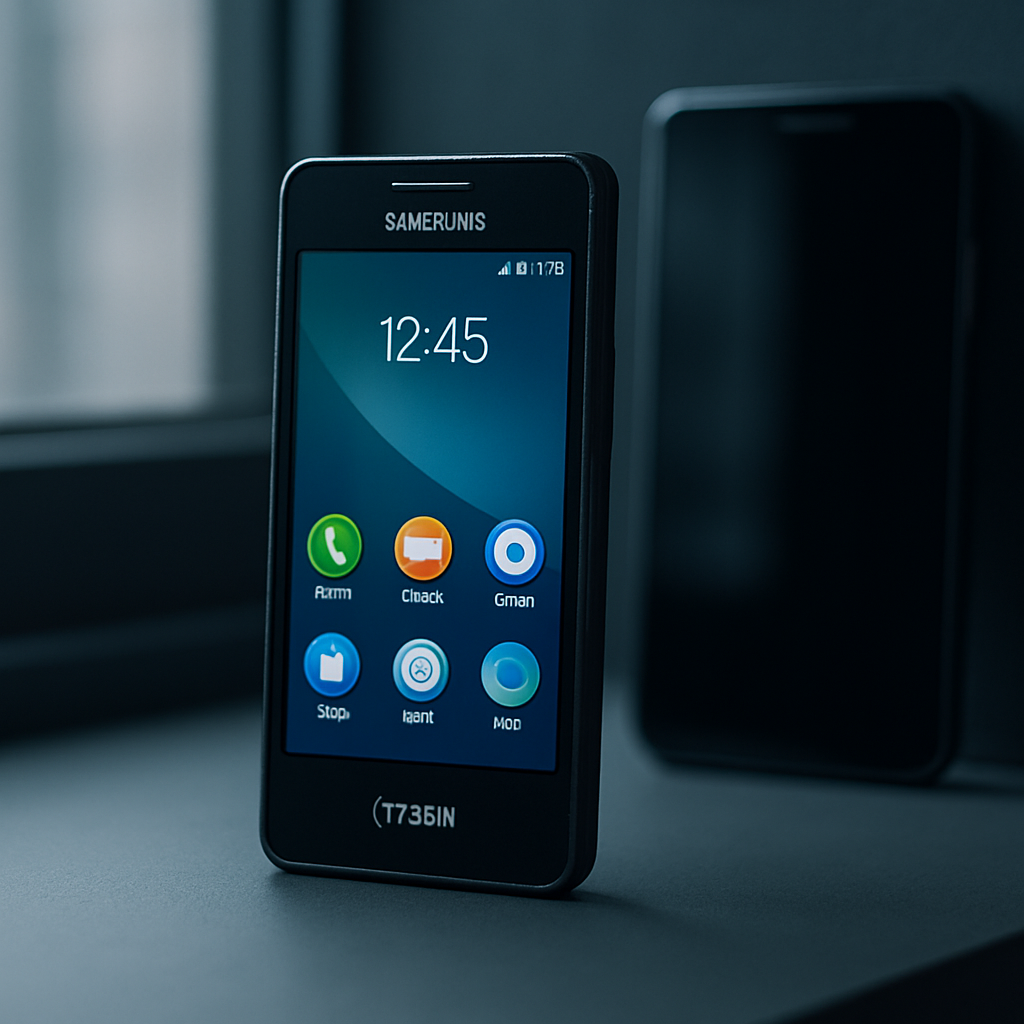
For now, Samsung has confirmed no plans to bring Tizen back as a phone operating system. Until the company announces a device and provides evidence of app support, software updates and hardware, the outlook is clear: no new Tizen phone is confirmed, no release dates are set, and a comeback remains speculative.