Samsung Z Series Specifications Compared: Display, Camera, Battery, and Performance
Introduction
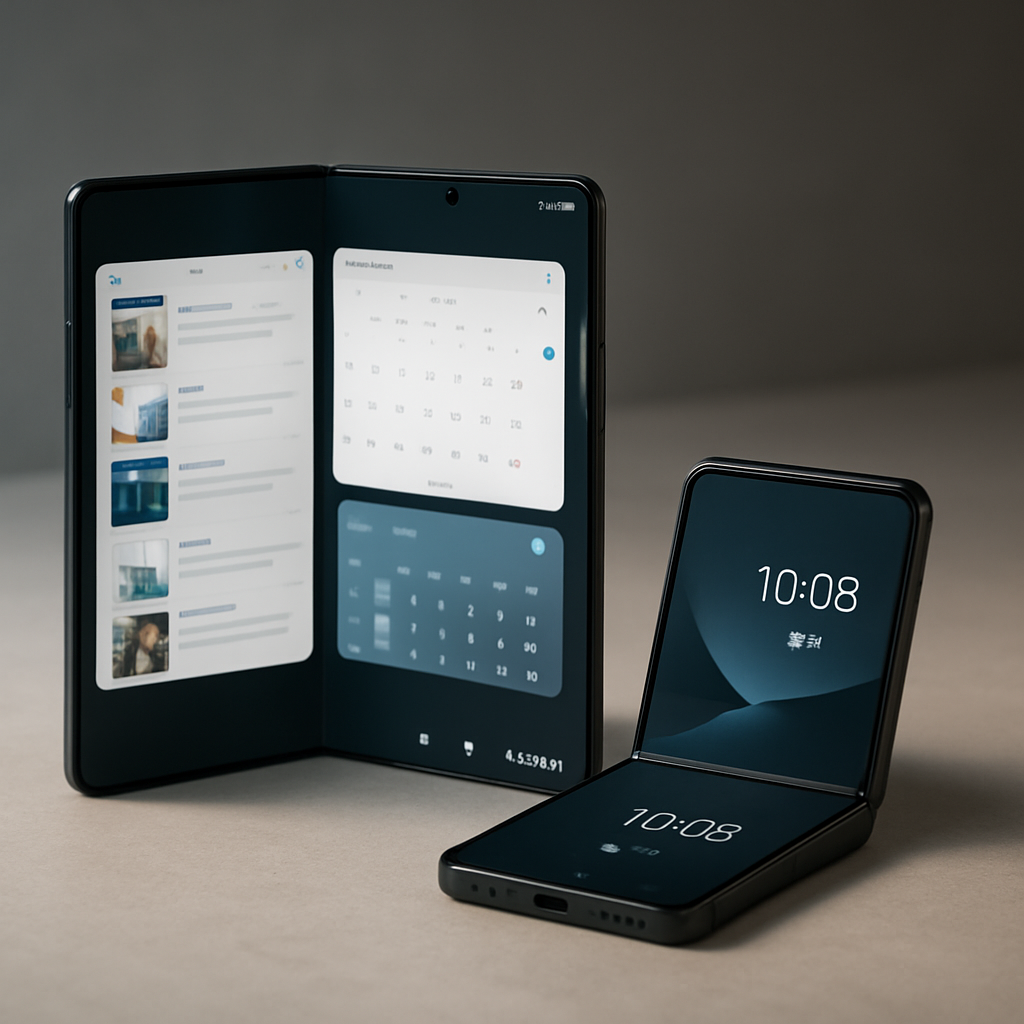
Samsung’s Galaxy Z lineup offers two different kinds of foldable phone. The Fold opens into a larger screen for work and entertainment, while the Flip folds into a compact package but works much like a conventional smartphone when open. These design differences are central to understanding Samsung Z series specs.
That difference shapes the specs that matter. The Fold’s larger inner display is useful for reading, multitasking and watching videos, but it adds bulk and puts more demands on the battery. The Flip is easier to carry, though its smaller battery and simpler camera system may be less versatile. Looking at Samsung Z series specs by model helps put those trade-offs in context.
There is no single winner across the Samsung Z series. Samsung changes the screens, chips, cameras and battery capacities with each generation, so check the exact model before buying. The most useful comparison is between the roles each design is made to fill, not just a list of Samsung Z series specs.
Analysis of the contenders
The Galaxy Z Fold is designed for users who want a larger screen. Open, it feels close to a small tablet. The outer display works well for quick replies and everyday tasks, while the inner screen is better for documents, split-screen apps and video. For people who move between work and entertainment, that extra space is the main advantage to look for in Samsung Z series specs.
The trade-off is size. A Fold is generally thicker and heavier than a conventional smartphone, especially when closed. Its inner screen is most useful when you’re willing to unfold the phone, so try both displays before buying. A large inner screen won’t make up for an outer screen that feels awkward to use. Samsung Z series specs can show dimensions, but handling the phone gives you a better sense of its comfort.
The Galaxy Z Flip takes the opposite approach. Open, it works much like a regular smartphone; closed, it takes up less space in a pocket or bag. Its external display is useful for checking information and handling some tasks, but it doesn’t replace the main screen. The Flip is about portability, not tablet-like productivity—a distinction worth keeping in mind when reviewing Samsung Z series specs.
In a display-size comparison, the Fold offers more usable screen area, while the Flip is more compact when folded. Both use flexible displays, but size is only part of the experience. Resolution, brightness, refresh rate, crease visibility and screen proportions also matter, and vary by generation. For a useful Tizen phone comparison, first note that today’s Z models are Android phones; Samsung Z series specs describe their hardware, not Tizen devices.
The cameras reflect the phones’ different priorities. Fold models typically have a more versatile rear-camera setup, with options for different subjects and framing. Flip models tend to have a simpler system, but the folding design offers another advantage: you can prop the phone at an angle for hands-free photos or video and use the external screen to frame the shot. These camera features are an important part of any Samsung Z series specs comparison.
That flexibility doesn’t guarantee better image quality. Sensor size, image processing, stabilization and low-light performance matter as much as the number of lenses. Compare sample photos and the exact model rather than relying on lens count alone. Samsung Z series specs are a useful starting point, but real-world camera tests add important context.
Key factors
Battery life is a challenge for both designs, but for different reasons. The Fold has a larger screen to power, while the Flip has less room for a large battery. Capacity, measured in milliamp-hours, is only one factor: brightness, refresh rate, chip efficiency, signal strength and camera use all affect how long a phone lasts. Check battery capacity in Samsung Z series specs, then consider how you use the device.
For heavy users, the key question is whether the phone can last through a typical day. Someone who spends hours on the Fold’s inner screen may drain the battery faster than someone who mostly uses the cover screen. Frequent video recording or use of the Flip’s external display can also increase battery use. Those habits help explain why battery capacity in Samsung Z series specs doesn’t tell the whole story.
Processor performance depends on the model year. The Fold and Flip may share the same flagship-class chip within a generation, but the Fold is often used for more demanding multitasking. For gaming, editing or long video calls, consider heat management, sustained performance and memory alongside peak chip speed. Samsung Z series specs list the components, while testing reveals how they work together.
For everyday tasks, both phones should feel responsive if they have comparable current-generation hardware. The Fold’s main advantage is the space to keep multiple apps visible, not a slightly faster app launch. The Flip is less cumbersome for messaging, browsing and quick photos. Software support and hinge durability also matter over the life of either phone, beyond the smartphone hardware listed in Samsung Z series specs.
Searches for a Tizen phone comparison refer to a different topic. Current Galaxy Z Fold and Z Flip phones run Android; they are not Tizen phones. The term may appear in searches, but it doesn’t describe a software comparison between today’s Z models. For an accurate Tizen phone comparison, distinguish that search topic from Samsung Z series specs.
Foldable phones are best judged as a complete system. The hinge, frame, screen protection, water resistance, weight and repair options all affect ownership, alongside processor performance. A spec-sheet advantage matters less if the phone’s size and design don’t suit your daily habits. A careful review of Samsung Z series specs should include these practical considerations as well as core smartphone hardware.
Match scenario
Imagine a day that includes a commute, desk work and an evening out. The Flip has the advantage at first: it folds down small, handles calls and messages like a familiar smartphone, and can be propped up for a group photo. It’s a strong choice if your phone is mainly for communication and photography. Samsung Z series specs can help confirm whether a particular Flip meets your needs.
On a train or during a focused work session, the Fold has the edge. It can show a document beside a notes app, make long articles easier to read and offer more room for video. That productivity benefit is worthwhile if you’ll use it enough to accept a larger phone and keep an eye on battery life. Compare display size and battery capacity in Samsung Z series specs before deciding.
The camera comparison is less clear-cut. The Fold’s broader camera system may make it a more capable all-purpose option, while the Flip’s folding design offers distinctive ways to take hands-free shots. If zoom or low-light photography matters most, compare the cameras on the specific models you’re considering. Samsung Z series specs provide a starting point for evaluating those camera features.
The choice comes down to what you need. The Fold wins on screen space and multitasking; the Flip wins on portability. Battery life and camera performance depend more on the exact model and how you use it, so the form factor alone doesn’t settle those questions. Reviewing Samsung Z series specs alongside your daily routine makes the trade-offs clearer.
Conclusion
Samsung Z series specs reflect a choice between different priorities. Choose the Fold for a larger workspace, easier multitasking and, in many generations, a more versatile rear-camera system. Choose the Flip for a compact folded design and a smartphone experience that feels familiar when open.
Before buying, compare the exact model’s display, camera performance, battery capacity, chip and software support. Headline specs matter, but the right choice depends on how you use your phone. For some, the benefit of folding is a smaller phone in their pocket; for others, it’s a screen that opens into a more useful workspace.