When Do Entertainment Notifications Begin to Interrupt Work Rather Than Inform?
Introduction
A notification shares information: a new episode, a friend’s reaction, a score update or a reminder that something has changed. It becomes an interruption when it demands more attention than it deserves, especially in the middle of a task that requires concentration.
There is no fixed number of alerts that marks the boundary. One message may be harmless during a break but disruptive during focused work. A steady stream may go unnoticed during a routine task. What matters is whether people choose when to engage or let alerts dictate what they do next.
Work depends on sustained attention, while entertainment notifications repeatedly invite people to look away. The key question is not whether an alert is enjoyable, but whether it changes the rhythm of the workday.
Analysis of the teams and players
The task itself is at the heart of the work side. Some tasks can withstand a quick glance; others require people to keep several details in mind or work through a sequence of decisions. The harder that sequence is to resume, the more costly a diversion becomes.
Workers can decide which alerts to allow, when to check them and how soon to return to work. But that control is harder to maintain when a notification arrives unexpectedly, feels emotionally compelling or suggests that something is happening right now.
Entertainment services are not always a distraction. A planned reminder can be useful, and a message from a friend may matter. The pressure builds when several types of content compete for attention: a new release, a reaction, a recommendation or a prompt to keep watching or listening.
A notification can win a glance with just a sound, vibration or banner. The interruption may last longer than the alert itself as the user thinks about the message or opens the app. Delivery takes seconds; returning to a previous train of thought can take longer.
Context also matters. A notification that fits a planned break can be welcome; the same alert during a deadline may feel intrusive. Its effect depends on when it arrives, not just on what it contains.
Key factors
Timing is the first factor. An alert at the end of a task may fit a natural pause. One that arrives in the middle of a difficult sentence or decision forces the worker to either break concentration or ignore it. The more focused the moment, the greater the risk of interruption.
Repetition changes the experience. One alert may simply provide information; repeated prompts turn checking into a parallel task. Even when each alert is dismissed, the worker must decide whether the next one is worth opening.
Urgency often comes from the design rather than the content. A sound, preview or badge can suggest that a message needs immediate attention, even when it can wait. If alerts regularly exaggerate their importance, users must choose between checking too often and risking that they miss something they care about.
Emotional pull can be stronger than practical urgency. Entertainment draws on anticipation, surprise and social connection. An alert may promise a moment of pleasure or a chance to join a conversation, holding someone’s attention even if they do not open the app.
Control determines whether users can set the terms. They can batch alerts, mute nonessential prompts or check them during planned breaks. These strategies work only if they are practical options, not if users are expected to resist every interruption through willpower alone.
The cost also depends on the task. A quick check may fit between routine actions but disrupt careful reading, judgment or a continuous line of thought. The same notification can inform one person and interrupt another, or affect the same person differently at different times of day.
Match scenario
Imagine a worker preparing a detailed report. They reach a section that requires comparing several points when an entertainment alert appears: a preview of a new episode and a message about a conversation among friends. Neither is essential to the report, but both give the worker a reason to look away.
If the worker has planned a break, the alert may arrive at the right time. They can check it, enjoy the pause and return to the next section. In this case, the notification informs because the worker chooses when to resume work.
Now imagine the same alert arriving in the middle of the comparison. The worker reads the preview, opens the app and spends a little time there. When they return, they must recall which points they were weighing and what conclusion they were reaching. The cost is not just the time away, but the loss of continuity.
Repeated alerts make things worse. If another prompt arrives soon after, the worker’s attention is split between the report and the prospect of more content. The notifications are no longer isolated messages; they are setting the pace of the work session.
There is another option besides banning entertainment. The worker can silence alerts while writing the report and check them at a chosen time. The question is not whether work or leisure wins, but whether leisure is a choice or repeatedly takes over.
Conclusion
Entertainment notifications interrupt work when they repeatedly break concentration, create pressure to respond or keep attention divided after the screen is closed. The number of alerts matters, but so do their timing, emotional pull and how much control users have over them.
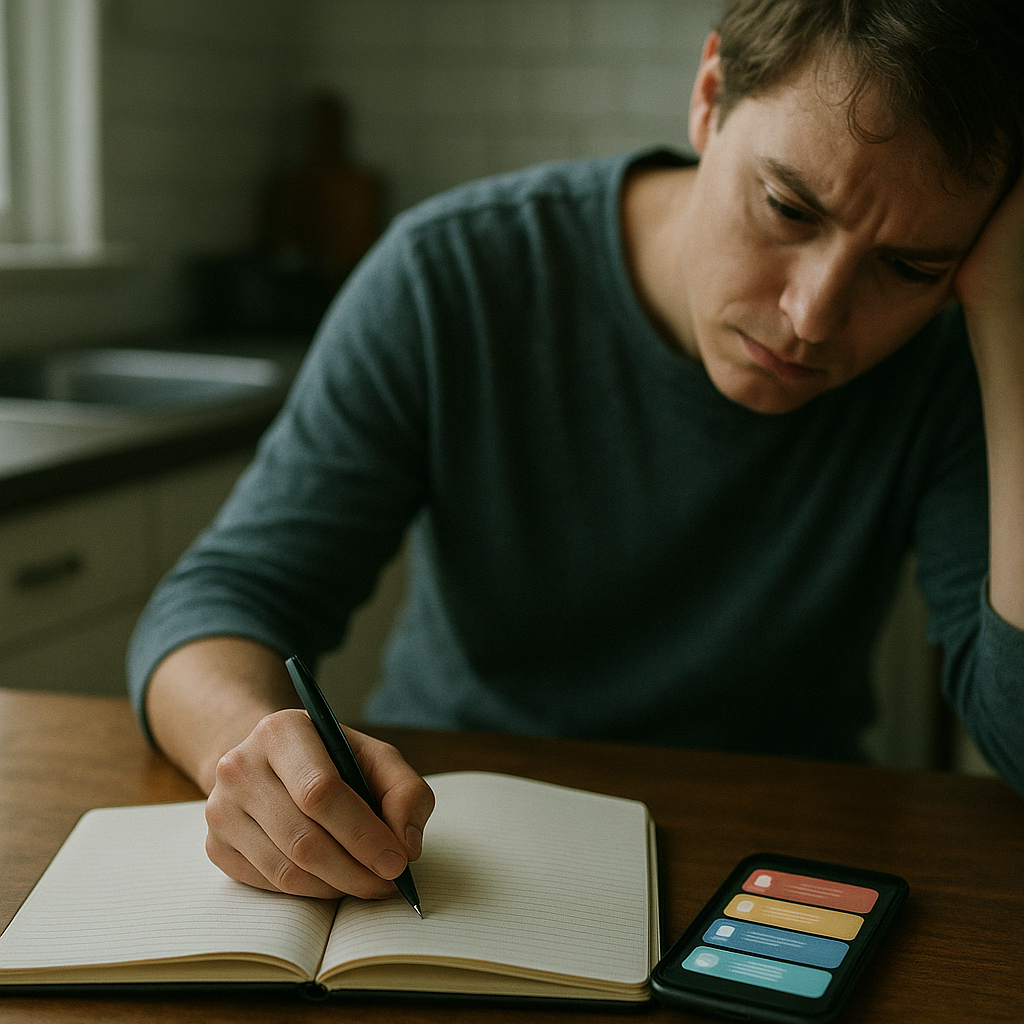
The clearest dividing line is choice. An alert informs when it arrives during a pause or supports a deliberate decision. It interrupts when it repeatedly decides what happens next. The goal is not to eliminate every distraction, but to let people control the rhythm of their workday.