
The Long Game of Sitting: What Activity Guidelines Say About Online Entertainment
Introduction
A game runs long. One episode rolls into the next. A live stream keeps the action moving. Online entertainment can hold our attention while our bodies stay almost entirely still.
So does meeting an exercise target make up for a long spell on the sofa? In short, no. Public-health guidelines cover both physical activity and sedentary behaviour, but they generally don’t set a universal limit on how many hours people should spend sitting while gaming, streaming or enjoying other screen-based entertainment.
The distinction matters. Exercise targets describe how much movement to aim for each week. Advice on sedentary behaviour addresses how we spend the rest of the day. Both are part of the same picture.
Analysis: the participants in the session
People in a long online session don’t all have the same daily routine. One viewer may spend most of the day sitting at work before settling in for several more hours of entertainment. Another may walk, do household tasks or play sport, then spend a similar stretch sitting in the evening.
The screen time may be identical, but the rest of the day is not. Age, disability, health, work, caring responsibilities and access to safe places to exercise all affect how much movement is realistic. To understand someone’s routine, it helps to look beyond the platform: how much of the day do they spend sitting, and what activity do they do around it?
The platform can also shape the session. Autoplay, long matches, continuous feeds and social features can make it harder to find a stopping point. That doesn’t make a service the sole cause of sedentary behaviour, but it helps explain why good intentions can be hard to follow when a session is designed to continue.
Guidelines don’t set rules for particular games or viewing habits. Instead, they offer broad advice: adults should be active regularly and reduce sedentary time where possible. Recommendations vary by country and are not a diagnosis or personal prescription.
Key factors: activity targets and sitting time
The World Health Organization recommends that adults get at least 150 to 300 minutes of moderate-intensity aerobic activity each week, or 75 to 150 minutes of vigorous-intensity activity, or an equivalent combination. It also recommends muscle-strengthening activities that work the major muscle groups on two or more days a week.
These are weekly activity targets, not permission to sit without interruption. The WHO also advises limiting sedentary time and replacing it with physical activity of any intensity, including light activity. It does not set one daily sitting limit for everyone.
That doesn’t mean sitting is harmless. It reflects the difficulty of reducing a complex pattern to one cut-off. High levels of sedentary behaviour are linked with poorer health outcomes, while activity during the rest of the day matters too. The guidance is to sit less and move more, not to assume that one threshold makes every long session safe.
Some national guidelines simply advise people to move more and sit less; others set out exercise targets and address sedentary behaviour separately. The shared principle is straightforward: regular activity matters, and it’s worth breaking up long periods of inactivity when possible.
For someone watching or gaming online, that might mean standing during a loading screen, walking between episodes or moving during a pause. These are practical ways to add activity, not official guarantees that a particular break schedule offsets hours of sitting. Guidelines don’t recommend one break interval for everyone.
Intensity matters too. A brisk walk and a few minutes of light movement don’t count the same as vigorous exercise in every calculation. Still, movement doesn’t have to be all or nothing. Short bouts can make the day more active, especially for someone who currently gets very little exercise.
Sitting and screen time aren’t the same thing. Someone can watch while standing or moving, and long periods of sitting can happen without a screen. Here, the main concern is prolonged inactivity, not the device itself.
Scenario: a long session, viewed like a match
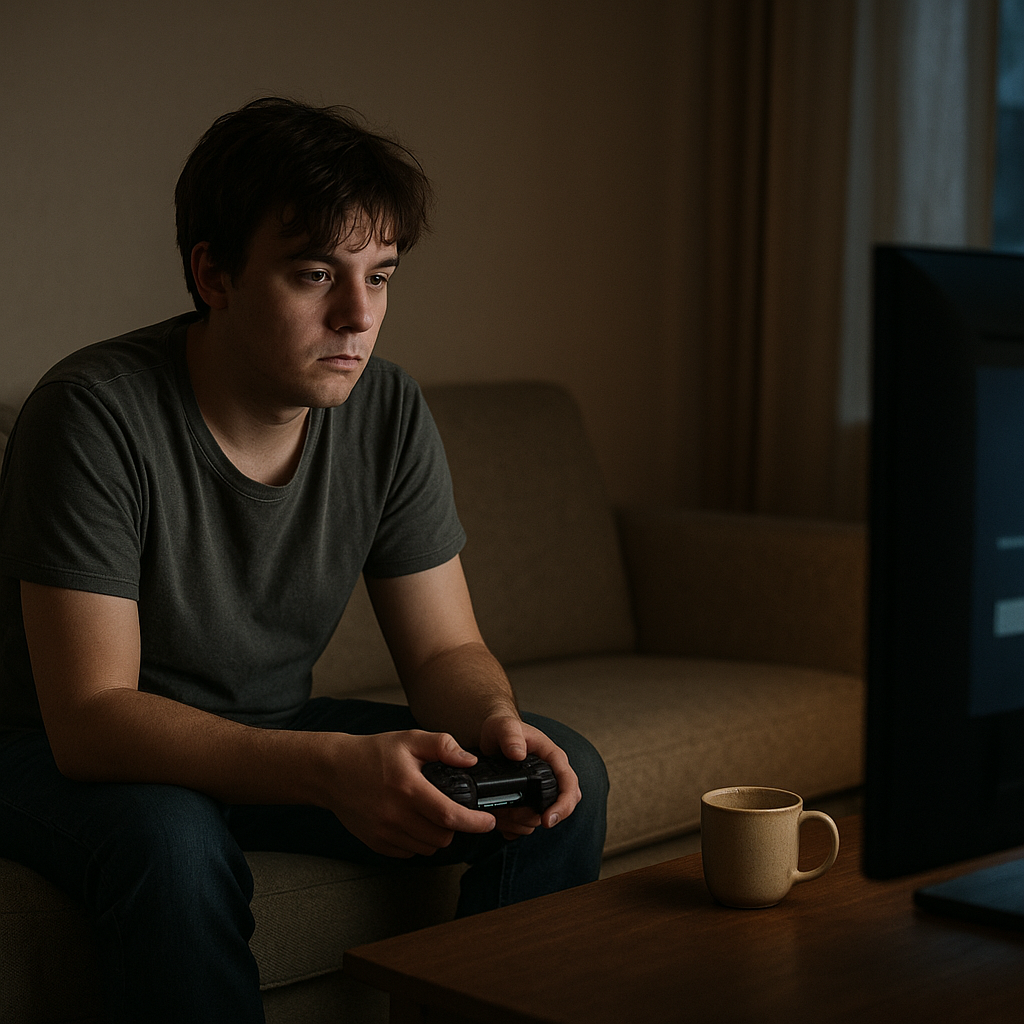
Imagine a viewer starting an online gaming session after dinner and staying seated through several rounds. The game has natural pauses, but they don’t necessarily prompt movement: a player can queue again, watch another match or check a feed without getting up.
The first question isn’t whether the session has crossed a medically defined limit. Broad activity guidelines don’t set one. It’s more useful to ask whether the whole day has involved a lot of sitting and whether movement can be added without turning leisure into a test of willpower.
A break between rounds could become a short walk around the room. The viewer could get a drink on foot or use a longer pause to stand and stretch. If the session can’t be interrupted, activity before or after it still contributes to the weekly total, though it doesn’t undo the time spent sitting.
The same applies to a streaming marathon. The end of an episode offers a natural pause, but autoplay can remove it. Using that moment to stand or move is a practical adjustment; it doesn’t mean viewers must give up entertainment or follow a strict hourly quota.
People with health conditions, mobility limitations or concerns about starting exercise may need a different level of activity. General guidelines provide direction, but individual advice may be appropriate. The point isn’t to judge viewers by their discipline. Both the design of a session and the shape of the rest of the day affect how much people move.
Conclusion
Physical activity guidelines address prolonged sitting during online entertainment through broad advice, not screen-specific rules. They recommend regular weekly activity and also advise limiting sedentary behaviour and replacing some sitting with movement.
A long gaming or viewing session shouldn’t be judged only by whether someone meets an exercise target at another time. Current guidance sets neither a universal limit on safe sitting hours nor a mandatory break schedule. The practical takeaway is simple: activity matters, sitting less matters, and both should be considered across the whole day.